
75701 Pediatric Dentist
 Does your child play a musical instrument? While participating in the school band, or learning an instrument at home can be a rewarding and enriching hobby, there can be underlying health risks. This is particularly true if your child plays instruments such as the flute, saxophone, or clarinet. Instruments that require contact with the mouth can be a home for germs and bacteria. Here’s what you can do to keep your child healthy.
The Health Problem Associated with Musical Instruments
The potential issue is not with the instrument’s mouthpiece alone. Children who join their school’s band program often get instruments loaned to them. If the instrument is not properly sanitized between students, bacteria and fungi can grow for months after use. According to the Academy of General Dentistry, woodwind and brass instruments are most commonly affected. Proper sanitation can reduce the bacteria found covering these instruments.
The Dangerous Effects of Bacteria
A 2011 study published in the journal of the Academy of General Dentistry uncovered the extent of bacteria in school instruments. Thirteen instruments were tested from a high school after one week of being played, and over 442 different types of bacteria were found. Aside from bacteria, molds and yeasts were also discovered on the instruments. Many types of bacteria can be dangerous and cause staph infections, asthma, and skin infections. Doctors are starting to find certain bacteria that are resistant to antibiotics, which makes cleaning your child’s instruments even more important.
Steps to Take to Reduce the Risk of Infections
Not only is it extremely important to sterilize your child’s instrument after someone else uses it, but you should be cleaning the instrument after every use. Focus on keeping the mouthpiece clean and free of bacteria. Taking the instrument apart and cleaning it with a new cloth daily can help keep your child healthy.
Learning a musical instrument can be educational and a rewarding experience for your child. Knowing about the risks of improper sanitation and the correct steps to take to sanitize your child’s instrument will help them stay happy and healthy. Our office encourages families to visit the dentist at least twice a year to avoid oral health complications.
For more information or to schedule your next appointment, please contact us today.
2301 S. Broadway, Ste. B-10
Tyler, TX 75701
(903) 531-9000
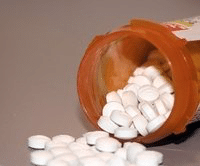 According to data provided by the Centers for Disease Control and Prevention (CDC), about 20% of children take prescription medication regularly. There has been a steady, noticeable increase in the number of children using medication prescribed by their doctor. Several types of medication can impact your child’s oral health. When you visit our office for your child’s regular examination, please tell our team about any medications your child uses so we can better adapt our treatment approach.
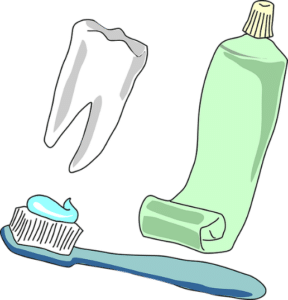 Did you know your oral health can impact your overall health? We’ve compiled a list of 5 tidbits about your teeth and oral health.
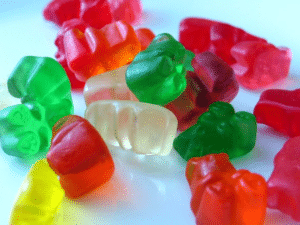 Multivitamins are an excellent way to help children and adults receive nutrients that their diet lacks. For parents of picky eaters, this can be especially helpful. However, not all vitamins are created equally. Chewable, gummy vitamins are often marketed to children but carry risks to your child’s oral health. Here are three ways gummy vitamins affect your child’s oral health.
 Little teeth will grow into a big smile. To ensure your child is on track for a lifetime of optimal oral health, it is important to instill good oral hygiene habits early in life. We understand that this can sometimes be a challenge. It’s hard to keep the interest of young children, which can make brushing twice a day for two minutes each time difficult to do. We’ve gathered a few pointers to help you and your child make brushing time a fun experience.
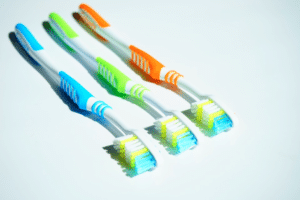 Do you ever think about your toothbrush? You use it twice a day, but how much do you know about it? We’ve compiled a list of interesting toothbrush facts. The next time you brush, consider these bits of trivia.
 Sugary, sticky, and sweet candies can damage your teeth by increasing your risk of decay. Though gum can be considered a type of candy, chewing sugarless gum approved by the ADA can actually help protect teeth and prevent tooth decay. Here’s what you need to know about gum and your teeth.
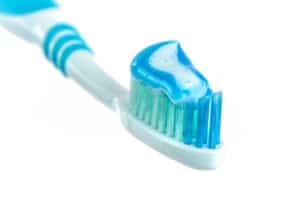 As a parent, you are always concerned about your children’s overall health and wellness. Dental hygiene plays a big role in your child’s health and it’s important to take steps to prevent tooth decay in children at an early age.